
Natural gas and Carbon Monoxide (CO) are two different household hazards. Although both can pose serious risks, they require different types of detection equipment.
A natural gas detector warns of potential natural gas leaks, while a Carbon Monoxide monitor detects CO, a poisonous gas that cannot be seen or smelled. Understanding the difference can help you choose the right detectors for your home.
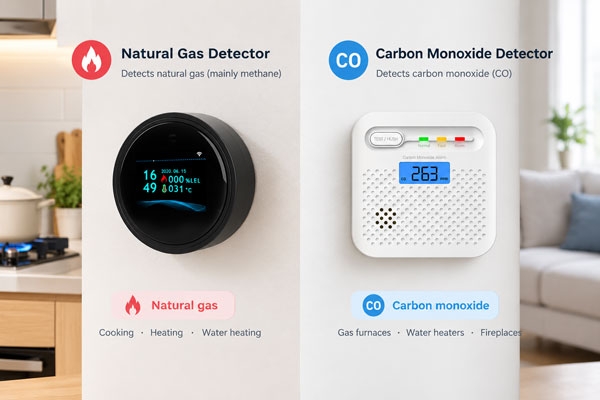
What is a Natural Gas Detector?
A natural gas detector is designed to detect natural gas leaks, primarily methane, which is the main component of most natural gas supplies.
Natural gas is commonly used for cooking, heating, and water heating. Although odorants are usually added to supplied natural gas to make leaks easier to recognize by smell, you should not rely on your sense of smell alone to identify a leak.
A natural gas detector monitors the surrounding air for the target gas and activates an alarm when the gas concentration reaches its specified alarm threshold. This provides an additional warning when a potential leak occurs.
Common applications include:
- Homes with natural gas stoves, furnaces, or water heaters
- Kitchens and residential utility rooms
- Areas containing natural gas pipes and connections
- Other residential spaces where natural gas is used
When choosing a natural gas detector, check that it is specifically designed for natural gas or methane and is suitable for residential use.
What is a Carbon Monoxide Detector?
A Carbon Monoxide detector is designed to detect Carbon Monoxide, commonly known as CO. Unlike natural gas, CO is colorless and odorless, making it impossible to identify reliably by smell.
Carbon Monoxide can be produced when fuels such as natural gas, propane, gasoline, wood, or coal do not burn completely. Faulty or poorly maintained fuel-burning appliances, blocked vents, and inadequate ventilation can contribute to dangerous CO buildup.
A CO detector monitors Carbon Monoxide levels and sounds an alarm when its detection criteria are met. It helps alert occupants to a potential CO hazard before they can recognize it through their senses.
Common applications include:
- Bedrooms and sleeping areas
- Hallways near bedrooms
- Areas near fuel-burning heating equipment, following the manufacturer's instructions
- Homes with gas furnaces, fireplaces, or other fuel-burning appliances
A Carbon Monoxide monitor alarm is an important part of household safety, particularly in homes with fuel-burning appliances or attached garages.
Difference between Natural Gas and Carbon Monoxide Detector
| Feature | Natural Gas Detector | Carbon Monoxide Detector |
| Target gas | Natural gas, primarily methane | Carbon Monoxide (CO) |
| Main hazard | Gas leaks and potential fire or explosion | Toxic gas exposure |
| Detectable by smell? | Usually odorized, but smell is not reliable | No |
| Typical use | Homes with natural gas appliances | Homes with potential CO sources |
| Main purpose | Warns of potential gas leaks | Warns of dangerous CO levels |
Do You Need Both a Natural Gas and a CO Detector?
The answer depends on the appliances in your home and the risks identified for your household.
A natural gas detector may be appropriate if:
- Your home uses natural gas for cooking or heating.
- You have natural gas pipes, fittings, or appliances that could develop leaks.
- You want an additional warning device for potential natural gas leaks.
If these situations apply to your home, a suitable natural gas detector can provide an additional layer of protection. GasDog offers several home gas leak alarm models with different features to suit different household needs.
GasDog Natural Gas monitors and alarms
| Item |  |
 |
 |
| SKU | GD1000-GS91 | GD1000-C30W | GD1000-902 |
| Gas | LPG & Natural Gas | LPG & Natural Gas | LPG & Natural Gas |
| Alarm | ✔ | ✔ | ✔ |
| WiFi | ✔ | ✔ | ✖ |
| T & RH | ✔ | ✖ | ✖ |
| Display | ✔ | ✔ | ✔ |
A Carbon Monoxide detector is important if:
- Your home has a gas furnace, gas water heater, fireplace, or other fuel-burning appliance.
- Your household may be exposed to exhaust from vehicles or other combustion sources.
- Local regulations or building requirements call for CO alarms.
For homes where Carbon Monoxide is a concern, a dedicated CO detector provides a separate layer of protection. When choosing one, consider the gas monitor's features, installation requirements, and suitability for your home.
GasDog Carbon Monoxide Detectors and Alarms
| Item |  |
 |
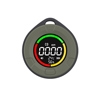 |
| SKU | GD1000-9D | GD1000-CR-W | GD1000-10D |
| Gas | Carbon Monoxide (CO) | Carbon Monoxide (CO) | Carbon Monoxide (CO) |
| Alarm | ✔ | ✔ | ✔ |
| WiFi | ✔ | ✔ | ✖ |
| T & RH | ✖ | ✖ | ✔ |
| Display | ✔ | ✔ | ✔ |
If your home uses natural gas appliances, you may need both devices because a gas leak and Carbon Monoxide buildup are separate hazards. A natural gas detector cannot replace a CO detector, and a CO detector cannot replace a natural gas detector.
Where Should You Install a Natural Gas and a CO Detector?
Correct placement is essential for both types of detectors, but their installation requirements may differ.
Natural Gas Monitor Placement
Natural gas is lighter than air and tends to rise when released. However, the correct installation height and distance from gas appliances depend on the detector design and the manufacturer's instructions.
When installing a natural gas detector:
- Choose a location suitable for detecting potential leaks from nearby gas appliances or connections.
- Follow the specified mounting height and clearance requirements.
- Avoid locations where airflow, drafts, or ventilation may interfere with gas detection.
- Do not install the device in a location prohibited by the manufacturer.
Carbon Monoxide Alarm Placement
CO can mix throughout indoor air, so placement should follow the detector manufacturer's instructions and local building requirements rather than relying on a single assumed mounting height.
Common locations include:
- Outside sleeping areas
- On each level of the home, where required or recommended
- Near fuel-burning appliances only when the manufacturer's instructions permit it
- Avoid placing CO detectors where steam, excessive humidity, or other environmental conditions could interfere with operation.
For both devices, follow the product manual and applicable local codes. A gas detector installed in the wrong location may not provide the expected warning.
Frequently Asked Questions
Q1: Do I need a natural gas detector if I already have a smoke alarm?
A1: A smoke alarm detects smoke, not necessarily natural gas or Carbon Monoxide. Depending on your household risks and local requirements, you may need separate natural gas and CO detectors in addition to smoke alarms.
Q2: Is natural gas the same as Carbon Monoxide?
A2: No. Natural gas is a fuel composed primarily of methane, while Carbon Monoxide is a toxic gas produced by incomplete combustion. They have different properties and require different detection methods.
Q3: What should I do if I suspect a natural gas leak?
A3: Leave the building immediately. Do not operate electrical switches, use open flames, or use a phone inside the suspected leak area. Once you are safely away, contact your gas utility or local emergency services and follow their instructions. Do not re-enter until authorities say it is safe.


