
Hydrogen Cyanide (HCN) is a highly toxic, volatile substance that appears as a colorless gas with a characteristic bitter almond odor. At room temperature, it readily vaporizes, has a density slightly lower than that of air, and disperses rapidly. Once released, it poses a severe threat to both human health and the environment. Due to its extreme toxicity, HCN gas is regarded as one of the most hazardous gases encountered in industrial settings. It is not uncommon in industrial production, firefighting and rescue operations, or certain laboratory environments, making it critically important to understand the properties and hazards of Hydrogen Cyanide, as well as effective methods for its detection and monitoring.
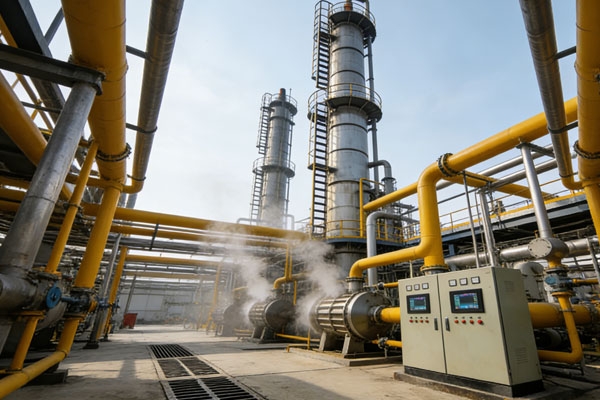
Hydrogen Cyanide (HCN) Gas Major Sources
HCN gas can be generated intentionally by human activities or released unintentionally during accidents or combustion processes, and its sources are highly diverse. In the chemical industry, HCN gas is an important intermediate for the production of nylon, acrylonitrile, as well as pharmaceutical and pesticide products, and is commonly present in various chemical manufacturing facilities. In electroplating, metallurgy, and related industries, improper control of cyanide-containing processes can also lead to the release of Hydrogen Cyanide gas.
In addition, during fires, nitrogen-containing polymer materials such as polyurethane foams, plastics, and synthetic fibers can produce large amounts of HCN when they undergo incomplete combustion. This makes HCN gas one of the major toxic components of fire smoke and a significant contributor to poisoning and fatalities in fire incidents. Furthermore, laboratories, waste treatment facilities, and mining operations that handle cyanide-containing substances also pose a potential risk of Hydrogen Cyanide leakage.
How Harmful is Hydrogen Cyanide to the Human Body?
Hydrogen Cyanide (HCN) is an extremely toxic gas and works by inhibiting cellular respiration. It blocks the cells’ ability to use oxygen, so even if the blood contains a normal oxygen level, the cells can “suffocate” and die rapidly. Exposure to low concentrations may cause symptoms such as headache, dizziness, nausea, and rapid heartbeat. At moderate concentrations, it can lead to difficulty breathing and mental confusion. In high concentrations, HCN can cause unconsciousness and even death within a short time. What makes it particularly dangerous is that its odor is not always easily detectable, and human olfactory senses quickly become desensitized. Relying on smell to detect a leak is extremely unsafe. Therefore, in environments where Hydrogen Cyanide may be present, professional gas detection equipment is virtually the only reliable means of protection.
Why Is Monitoring Hydrogen Cyanide (HCN) Gas Essential?
Due to its high toxicity, rapid diffusion, and short time to lethality, Hydrogen Cyanide (HCN) leaves very little time for personnel to react and evacuate in the event of a leak. Using gas detectors for real-time, continuous HCN monitoring can:
- Detect gas leaks immediately, preventing personnel from being unknowingly exposed.
- Provide audible and visual alarms on-site, buying valuable time for escape.
- Help organizations comply with occupational safety and environmental regulations.
- Offer data support for accident investigations and risk assessments.
For chemical plants, firefighting teams, laboratories, storage areas, and enclosed spaces with fire hazards, HCN gas detection is not optional—it is essential.
Detecting HCN Gas Common Methods
Currently, Hydrogen Cyanide (HCN) is typically detected using electrochemical sensors. This technology offers good selectivity and sensitivity for HCN, enabling stable detection at concentrations in the ppm range or even lower.
Depending on the application, detection devices can be divided into portable and fixed gas detectors. Portable gas detectors are suitable for inspections, emergency response, and personal protection, while fixed gas detectors provide continuous online monitoring, offering 24-hour protection in production areas.
GasDog Gas Detector Recommendation
GasDog HCN gas detectors use high-performance electrochemical sensors, offering fast response, high accuracy, and long-term stability. They can promptly alert users as soon as Hydrogen Cyanide is detected, significantly reducing the risk of exposure.
| Items | SKU | Measure Range | Resolution |
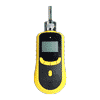 |
GD200-HCN | 0-10/20/50/100ppm | 0.01ppm/0.1ppm |
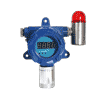 |
GD300-HCN | 0-10/20/50/100ppm | 0.01ppm/0.1ppm |
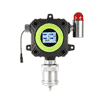 |
GD700-HCN | 0-10/20/50/100ppm | 0.01ppm/0.1ppm |
Whether it’s a portable HCN detector or a fixed online monitoring system, GasDog supports multiple alarm modes and output signals, making it easy to integrate with existing safety systems. The devices are designed with practical use in mind: simple to operate and low in maintenance cost, suitable for long-term use in industrial environments.
For firefighters and rescue personnel, portable HCN detectors provide reliable data in complex and hazardous smoke conditions. For factories and laboratories, fixed systems help establish a continuous safety protection network.
Conclusion
Hydrogen Cyanide (HCN) is an invisible yet extremely lethal gas, commonly found in industrial processes and fire smoke. Understanding its hazards and taking them seriously, while implementing effective monitoring measures, is crucial for protecting lives and ensuring smooth operations. By deploying reliable Hydrogen Cyanide gas detection equipment, potential risks can be identified and warned of in time, preventing accidents before they occur. This is not only a safety investment but also a responsible choice for human life. If your industry or application involves potential exposure to Hydrogen Cyanide, opting for a professional and stable detection solution is the wisest decision.


