
A confined space may appear safe from the outside, but the atmosphere inside can change quickly and create life-threatening hazards. Oxygen (O2) deficiency is one of the most serious risks because human senses cannot detect it. Workers may enter a tank, pipeline, manhole, or underground chamber without realizing that the Oxygen concentration has dropped to a dangerous level.
An Oxygen detector for confined space provides continuous awareness of O2 levels and helps identify unsafe atmospheric conditions before they become emergencies. By monitoring O2 concentration in real time, workers and safety teams can make informed decisions during confined space entry, maintenance operations, and industrial inspections.
In normal air, Oxygen accounts for approximately 20.9% of the atmosphere. However, confined spaces may experience Oxygen depletion due to gas displacement, chemical reactions, corrosion, combustion, or inert gas purging. According to confined-space safety practices, atmospheres below 19.5% Oxygen are generally considered Oxygen-deficient, while Oxygen-enriched conditions can increase fire risks. For industries where workers regularly enter hazardous environments, choosing the right gas monitoring solution is an important part of an effective gas safety program.
What Is an Oxygen Detector for Confined Space?
An Oxygen (O2) gas detector for confined spaces is a gas-monitoring device designed to measure Oxygen concentration in enclosed or partially enclosed areas where atmospheric conditions may become unsafe. Unlike ordinary Oxygen measurement devices used in laboratories or medical applications, industrial gas detectors are designed for harsh working environments. They provide alarm functions, durable construction, and reliable sensing performance for applications such as tank entry, underground maintenance, and industrial facility inspections.
A typical industrial Oxygen detector includes:
- Oxygen sensor
- Display screen
- Audible alarm
- Visual alarm indicators
- Vibration alarm
- Battery system
- Calibration functions
- Data recording capability
The main purpose of an O2 detector is not only to measure Oxygen levels but also to provide early warnings when conditions exceed safe operating limits.
Why Do Confined Spaces Need O2 Monitoring?
Confined spaces create unique atmospheric hazards because ventilation is often limited. Unlike open environments where gases can disperse naturally, gases inside confined areas can accumulate or replace O2. Common causes of Oxygen deficiency include:
Oxygen Displacement by Other Gases
Many industrial processes use gases such as Nnitrogen, Argon, or Carbon Dioxide. When these gases leak or are released inside enclosed areas, they can reduce Oxygen concentration without creating any visible warning.
For example, Nitrogen purging is commonly used in tanks and pipelines to prevent oxidation or combustion. However, residual Nitrogen can create an Oxygen-deficient atmosphere if the area is not properly ventilated before entry.
Chemical Reactions and Oxidation
Oxygen may be consumed through chemical reactions such as rust formation, fermentation, or decomposition. Storage tanks, underground chambers, and wastewater facilities may experience Oxygen reduction due to biological or chemical processes.
Poor Ventilation
- Limited airflow is one of the biggest reasons confined spaces become dangerous. Examples include:
- Storage tanks
- Sewers
- Silos
- Pipelines
- Underground vaults
- Manholes
Without sufficient ventilation, Oxygen levels can change rapidly and create unsafe conditions.
What Oxygen Level Is Dangerous in a Confined Space?
Understanding Oxygen concentration levels is critical when selecting and using an Oxygen gas detector.
| Oxygen Concentration | Condition |
| 20.90% | Normal atmospheric Oxygen |
| 19.5% or lower | Oxygen-deficient atmosphere |
| 16–19% | Reduced physical and mental performance |
| Below 10% | Severe danger and possible unconsciousness |
| Above 23.5% | Oxygen-enriched atmosphere with increased fire risk |
How Does an Oxygen Gas Detector Work?
Industrial Oxygen detectors usually use an electrochemical Oxygen sensor to measure Oxygen concentration. The sensor reacts with Oxygen molecules and generates an electrical signal proportional to the O2 level. The detector processes this signal and displays the Oxygen concentration in real time.
When Oxygen levels become unsafe, the device activates multiple alarms:
- Audible Alarm: A loud sound alerts workers immediately when Oxygen levels are outside safe limits
- Visual Alarm: Flashing indicators allow workers to recognize warnings even in noisy industrial environments.
- Vibration Alarm: Useful for workers wearing hearing protection or operating machinery.
Modern Oxygen detectors may also include features such as:
- Automatic calibration reminders
- Sensor fault warnings
- Battery status monitoring
- Data logging
- Wireless communication
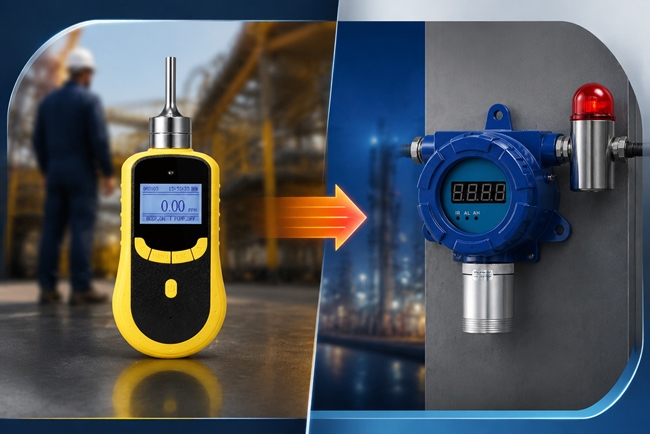
Portable Oxygen Detector vs. Fixed Oxygen Monitor
Portable Oxygen Detector for Confined Space Entry
The portable Oxygen detector is designed for workers who need personal protection while moving between different locations. Typical applications include:
- Tank inspection
- Pipeline maintenance
- Sewer entry
- Equipment repair
- Industrial cleaning
Portable Oxygen monitors are usually lightweight, battery-powered, and attached to workers' clothing or carried during operations. They are especially suitable when the monitoring location changes frequently.
Fixed O2 Gas Monitor for Continuous Monitoring
A fixed Oxygen monitor is permanently installed in a specific location to provide continuous atmospheric monitoring. Typical applications include:
- Gas storage rooms.
- Chemical processing areas.
- Oxygen generation facilities
- Manufacturing plants
- Enclosed equipment areas
Fixed Oxygen monitoring systems are designed to provide long-term protection by continuously checking Oxygen concentration and triggering alarms when abnormal conditions occur.
How to Choose the Right Oxygen Detector for Confined Space Applications?
Application Environment
Consider:
- Indoor or outdoor installation
- Temperature conditions
- Humidity exposure
- Dust and water protection requirements
For example, wastewater facilities may require a rugged detector with strong environmental protection, while manufacturing plants may prioritize continuous monitoring integration.
Monitoring Purpose
Ask:
- Is the detector used for:
- Worker entry protection?
- Area monitoring?
- Emergency response?
- Routine inspection?
Portable detectors are generally preferred for personal safety, while fixed monitors are better suited for permanent hazard monitoring.
Required Certifications
Industrial environments may require compliance with safety certifications such as ATEX/IECEx/UL/CE. Certification requirements depend on the region and application environment.
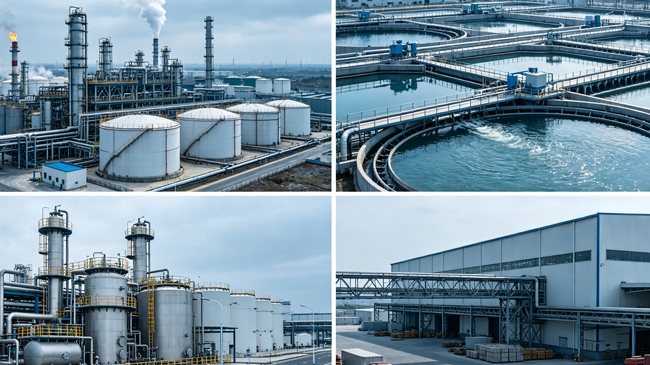
Common Applications of Oxygen Detectors in Confined Spaces
Oil and Gas Industry
Oxygen gas detectors are used during:
- Tank cleaning
- Pipeline maintenance
- Shutdown operations
- Refinery inspections
Oxygen monitoring helps ensure safe working conditions before personnel enter enclosed equipment.
Wastewater Treatment Plants
Sewers, tanks, and underground chambers may contain Oxygen-deficient atmospheres caused by biological activity and gas accumulation. Oxygen detectors help workers identify unsafe atmospheric conditions before entry.
Chemical Manufacturing
Chemical processes often involve inert gases and enclosed reactors. Fixed Oxygen monitors can provide continuous monitoring in areas where Oxygen displacement may occur.
Manufacturing Facilities
Maintenance teams may require portable Oxygen detectors when inspecting:
- Machines
- Storage vessels
- Production equipment
Oxygen (O2) Detector Maintenance: Calibration and Testing
Even the best Oxygen detector requires regular maintenance to maintain accuracy. Important maintenance practices include:
- Calibration: Calibration ensures the Oxygen sensor provides accurate readings.
- Bump Testing: A bump test confirms that the sensor and alarm functions respond correctly.
- Sensor Replacement: Electrochemical Oxygen sensors have a limited service life and should be replaced according to manufacturer recommendations.
- Battery Inspection: Portable Oxygen monitors should always be checked before entering confined spaces.
FAQs About O2 Gas Detectors for Confined Space
Q1: Do I need an Oxygen detector before entering a confined space?
A1: Yes. Confined spaces may contain Oxygen-deficient or Oxygen-enriched atmospheres that cannot be detected without proper monitoring equipment.
Q2: What is the normal O2 level in a confined space?
A2: Normal atmospheric Oxygen is approximately 20.9%. Safe entry requirements generally require O2 levels to remain within acceptable limits.
Q3: Is an Oxygen detector the same as a gas detector?
A3: An O2 gas detector specifically measures Oxygen concentration. A multi-gas detector can measure Oxygen together with other hazards such as combustible gases, carbon monoxide, and hydrogen sulfide.
Q4: Should I choose a portable or fixed Oxygen monitor?
A4: Portable Oxygen detectors are suitable for mobile workers and confined-space entry. Fixed Oxygen monitors are better for continuous monitoring of specific areas.
Q5: How often should an O2 gas detector be calibrated?
A5: Calibration frequency depends on the manufacturer recommendations, operating environment, and usage conditions.
Choosing GasDog Oxygen O2 Monitoring Solutions
GasDog provides professional Oxygen monitoring solutions designed for industrial safety applications. For confined-space entry and mobile operations, GasDog portable single gas detectors provide workers with real-time Oxygen monitoring and alarm protection. For facilities requiring continuous atmospheric monitoring, GasDog fixed gas monitors (GD300-O2/GD700-O2) help maintain constant awareness of O2 conditions in critical areas.
Whether monitoring a tank, underground chamber, production area, or industrial facility, selecting the right O2 gas detection solution helps create a safer working environment.
Conclusion
Confined spaces present invisible atmospheric risks that require reliable monitoring equipment. Oxygen deficiency and Oxygen enrichment can develop quickly, making Oxygen detection an essential part of workplace safety. By understanding the hazards, selecting the appropriate portable or fixed O2 monitoring system, and maintaining equipment properly, companies can improve safety awareness and reduce the risk associated with confined-space operations. The reliable Oxygen gas detector for confined space is not only a measurement tool — it is an important safeguard for protecting workers in hazardous environments.


