
Modern homes are safer and more comfortable than ever before, but some hidden risks also exist. Gas appliances, heating systems, air conditioning, and new building materials can all pose dangers that are imperceptible to the human senses. Installing a suitable home gas alarm is not just a preventative measure, but a crucial investment in your family's safety.
Different gases pose different risks, thus requiring targeted monitoring. Understanding these risks will help you choose the right equipment and install it where it will be most effective.
LPG Gas Leak Detection for Kitchen Safety
The kitchen is often the first area to consider. LPG (liquefied petroleum gas) and natural gas are commonly used for cooking and water heating. A slow leak may go unnoticed, yet the gas can accumulate to dangerous levels.
- Why install: Highly flammable; leaks can cause fires or explosions.
- Where to install: Near stoves, gas valves, water heaters, or gas pipelines.
A well-placed gas leak monitor ensures early detection, giving you time to ventilate, shut off gas supplies, and prevent accidents.
*Recommended Alarm Type
| Item | 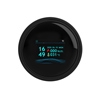 |
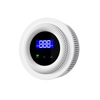 |
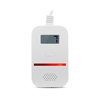 |
| SKU | GD1000-GS91 | GD1000-C30W | GD1000-902 |
| Gas | LPG & Natural Gas | LPG & Natural Gas | LPG & Natural Gas |
| Alarm | ✔ | ✔ | ✔ |
| WiFi | ✔ | ✔ | ✖ |
| T & RH | ✔ | ✖ | ✖ |
| Display | ✔ | ✔ | ✔ |
Carbon Monoxide Detection in Living Areas
Carbon Monoxide (CO) is colorless, odorless, and produced by incomplete combustion from heaters, fireplaces, or vehicle exhaust. Exposure can cause dizziness, nausea, or even death. Unlike combustible gases, CO is extremely hard to detect without technology.
- Why install: Invisible, lethal, can affect sleeping household members.
- Where to install: Near bedrooms, living rooms, and any room with combustion appliances.
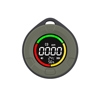
These devices provide continuous monitoring and instant alerts, ensuring your family is warned before symptoms appear.
*Recommended Alarm Type
| Item | 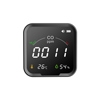 |
 |
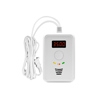 |
| SKU | GD1000-9D | GD1000-10D | GD1000-918 |
| Gas | Carbon Monoxide (CO) | Carbon Monoxide (CO) | CO and Natural Gas |
| Alarm | ✔ | ✔ | ✔ |
| WiFi | ✖ | ✖ | ✖ |
| T & RH | ✔ | ✔ | ✖ |
| Display | ✔ | ✔ | ✔ |
Carbon Dioxide: Hidden Risks in Confind Spaces
High concentrations of CO2 are not immediately toxic but can affect comfort, focus, and health in poorly ventilated areas.
- Why install: Prevent fatigue, dizziness, or decreased cognitive performance.
- Where to install: Bedrooms, home offices, basements, or any room with limited airflow.
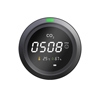
Monitors track air quality in real-time and alert you when ventilation is needed, helping maintain a healthy indoor environment.
*Recommended Alarm Type
| Item | 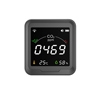 |
 |
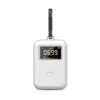 |
| SKU | GD1000-9CW | GD1000-CO2-5 | GD1000-BCM01 |
| Gas | Carbon Dioxide (CO2) | Carbon Dioxide (CO2) | Carbon Dioxide (CO2) |
| Alarm | ✔ | ✖ | ✔ |
| WiFi | ✔ | ✖ | ✖ |
| T & RH | ✔ | ✔ | ✖ |
| Display | ✔ | ✔ | ✔ |
Formaldehyde from New Furniture and Renovations
Formaldehyde (CH2O) is released from furniture, flooring, and adhesives. It is invisible and odorless but can irritate the respiratory system and have long-term health effects, especially for children and the elderly.
- Why install: Detect harmful indoor pollutants that accumulate over time.
- Where to install: Bedrooms, children's rooms, and areas with new furniture or renovation materials.
Continuous monitoring ensures long-term safety without relying on one-time testing.
*Recommended Alarm Type
| Item | 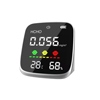 |
 |
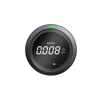 |
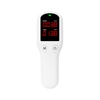
| SKU | GD1000-DM1013 | GD1000-RC3001 | GD1000-HCHO-1 |
| Gas | CH2O/HCHO | CH2O/HCHO & TVOC | CH2O/HCHO |
| Alarm | ✔ | ✔ | ✖ |
| WiFi | ✖ | ✖ | ✖ |
| T & RH | ✔ | ✖ | ✖ |
| Display | ✔ | ✔ | ✔ |
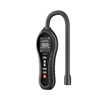
Refrigerant Leak Detection for HVAC Systems
Homes with central air conditioning or refrigeration systems can experience refrigerant leaks. These leaks are less obvious but may damage equipment or pose health risks.
- Why install: Prevent system damage and exposure to harmful halogen refrigerants.
- Where to install: Near HVAC units or refrigeration equipment.
While not every household will need this, it is essential for homes with large cooling systems.
*Recommended Alarm Type
| Item | 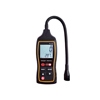 |
 |
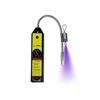 |
| SKU | GD1000-743A | GD1000-604 | GD1000-6000UV |
| Gas | Freon & Cl2 Gas | Freon & Cl2 Gas | Freon & Cl2 Gas |
| Alarm | ✔ | ✔ | ✔ |
| WiFi | ✖ | ✖ | ✖ |
| T & RH | ✔ | ✔ | ✖ |
| Display | ✔ | ✔ | ✖ |
Choosing the Right Gas Alarm for Your Home
Different gases pose different risks, and no single detector can effectively cover every scenario. From combustible gas leaks in the kitchen to invisible pollutants in living spaces, a well-designed home gas alarm system should be tailored to both the layout of your home and the types of gas risks present.
A single alarm is rarely enough. A comprehensive home gas safety setup combines multiple alarms:
- Kitchen → LPG and natural gas monitors
- Living and sleeping areas → CO alarms
- Enclosed rooms → CO2 alarms
- Renovated spaces → Formaldehyde monitors
Optional Convenience: Plug-in devices that combine CO and explosive gas detection offer an all-in-one solution, simplifying installation while ensuring protection across multiple risk areas.
Gas Dog home gas alarms provide peace of mind by detecting invisible hazards before they become emergencies. From WiFi gas leak monitors to carbon monoxide, CO2, and formaldehyde alarms, modern devices integrate seamlessly into daily life, giving families time to act and stay safe. GasDog.com offers comprehensive home gas solutions that can monitor a variety of gas threats, making it easier to build a reliable and robust home gas alarm system.


